Bringing home your first cat
The handful of things to set up before the carrier opens, plus the routine that gets you through the first few weeks.
- care
- beginners
- kittens
- vet
The first week is the one people overthink. Cats settle in faster than you'd expect. What matters is what you've put in place before the carrier comes out of the car, and then leaving the cat alone enough to come find you on their own.
Cat-proof the rooms
Walk every room your cat will reach. Look for trouble at cat height, not yours.
- Windows and balconies. Cats fall. SPCA Singapore reports roughly five high-rise cat falls a week. Fit secure mesh on any window or balcony the cat can reach.
- Cords and small swallowables. Charger cables, blind pulls, string, yarn, dental floss, hair ties. Tape them down or put them away. My old tabby once ate a six-inch length of curling ribbon off a birthday gift and cost me $1,200 in emergency surgery. Linear foreign bodies do that.
- Plants. Lilies are the headline danger. Even pollen can kill. Remove or relocate aloe, jade, snake plant, ivy, sago palm, dracaena, amaryllis, and asparagus fern too.
- Chemicals and meds. Cleaning supplies, antifreeze, paracetamol, ibuprofen. Locked away. Cats handle common painkillers far worse than people or dogs.
- Top-heavy furniture. Anchor bookshelves and TVs to the wall. A cat will climb anything that isn't bolted down.
Buy these before the cat arrives
The short essentials list:
- Litter box and a bag of litter
- Stainless or ceramic food and water bowls (wide and shallow)
- A bed, or just a soft blanket in a quiet corner
- Scratching post (sisal or cardboard, taller than the cat at full stretch)
- Soft brush and a pair of nail clippers
- Carrier, hard-sided, with a top-opening hatch
A water fountain is nice but optional. Some cats prefer running water and drink more from one. A breakaway collar matters more than a regular one because it releases if it snags.
The first week
Put the carrier down in a small, quiet room stocked with food, water, litter, and a hiding spot. Open the carrier and walk away. Let the cat come out when they're ready. Could be an hour. Could be a day. I once had a foster kitten hide behind a dresser for 36 hours straight, then walk out and demand dinner like she owned the place.
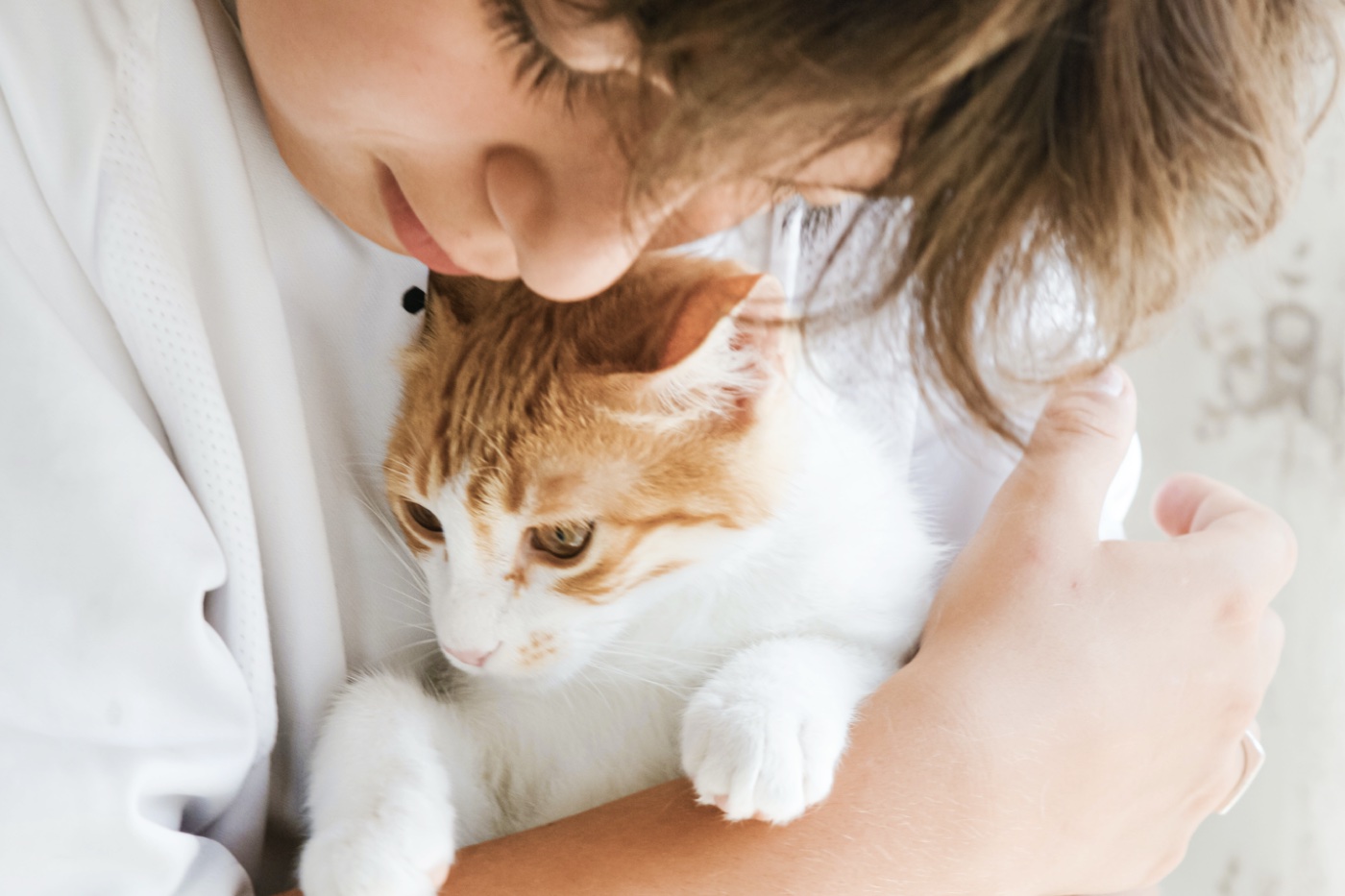
Once they're moving around freely in that room, open the door to the next one. Add rooms over a week. Resist the urge to scoop them up. Sit on the floor and let them come to you. Two slow blinks beat five minutes of forced cuddling.
Food, briefly
Cats are obligate carnivores. They need a meat-based, complete-and-balanced diet, not table scraps. Wet and dry food are both fine. I feed wet at meals and a small kibble portion at lunch. Wet food adds moisture (cats are bad at drinking water). Dry food is convenient and slightly better for tartar. Look for an AAFCO statement on the label matching the life stage.
Kittens up to one year: three meals a day. Adults: one or two. Measure portions. Free-feeding is the fastest route to an overweight indoor cat, and I've watched friends do it for years before the vet sat them down.
Vet, vaccines, parasites
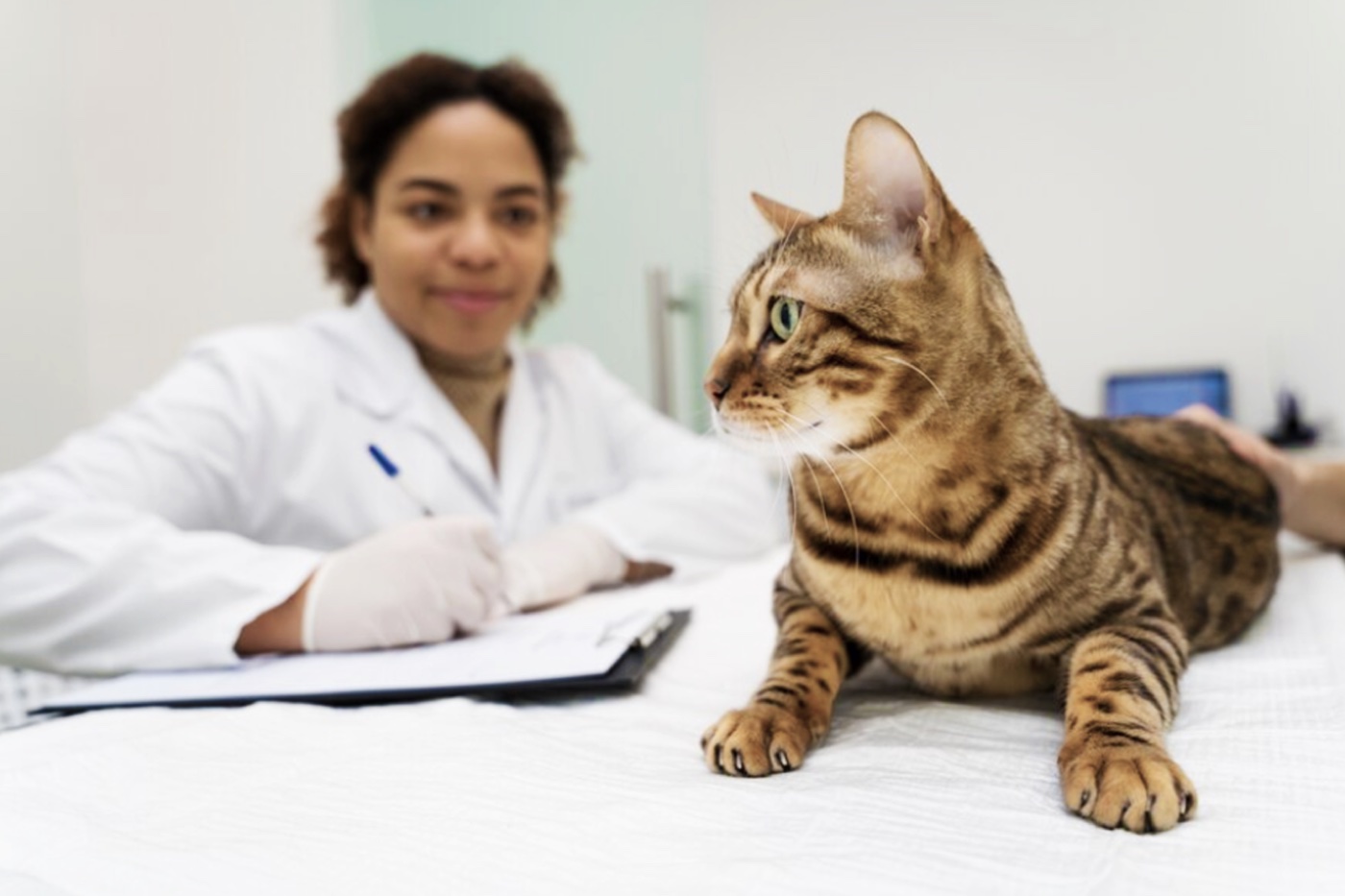
Book a check-up in the first week or two even if your cat looks fine. Cats hide illness well.
Core vaccines are FPV (panleukopenia), FCV (calicivirus), and FHV-1 (herpesvirus). Add FeLV if your cat will go outdoors or live with other cats of unknown status. Rabies depends on where you are. Singapore is rabies-free, so it gets skipped here. Boosters are yearly.
Deworm once or twice a year and use a monthly topical for fleas, ticks, and ear mites. Plan to spay or neuter around six months. It removes a long list of future health and behaviour problems.
Cleaning routine
- Scoop the litter daily. Empty and wash the box weekly. Cats will refuse a dirty box and pick their own spot. Mine picked the laundry basket. Once.
- Brush a few times a week. More during shedding season. Trim nails monthly.
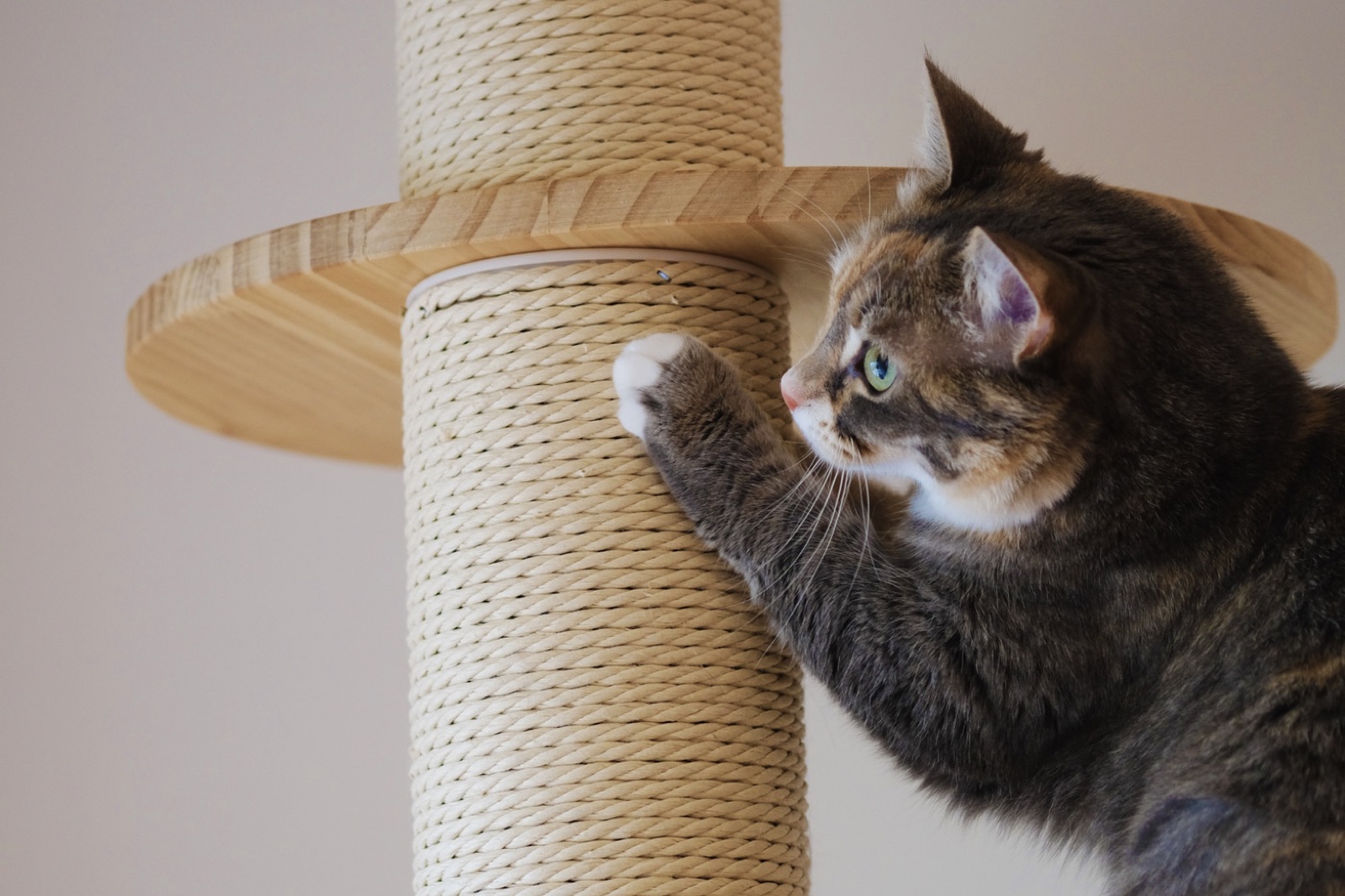
- Keep a scratching post near anywhere the cat is tempted to scratch. Sprinkle catnip on it the first few days and praise them when they use it.
Adapted from The Ultimate Guide for New Cat Owners by Pawkit; photos courtesy of Pawkit.
Indoor vs outdoor cats
The trade-offs between keeping a cat inside, letting them roam, or finding a middle ground — and how to make indoor life rich enough that they don't miss the outdoors.
ReadGetting your first cat, the complete guide
A grounded overview of what to think through before adopting — picking the right cat, preparing your home, the first vet visit, and life over the long run.
ReadThe first vet visit, what to expect
A calm walk-through of the first appointment — what to bring, what the vet checks, which vaccines are standard, and the questions worth asking.
Read